

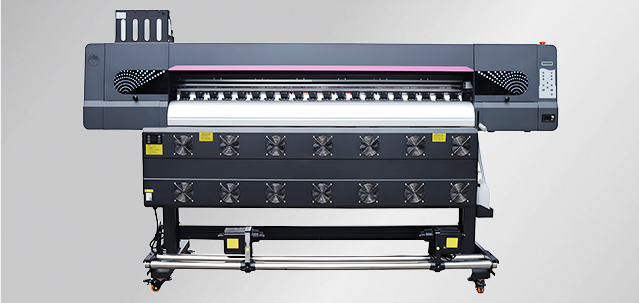

A delayed banner, a failed vehicle panel, or inconsistent decal color can cost far more than the difference between two printer quotes. Choosing an eco solvent printer for vinyl is therefore not simply a question of print width or purchase price. It is a production decision that affects the media you can sell, the turnaround times you can promise, and the amount of maintenance your team can realistically manage.
For sign shops, print providers, advertising producers, and equipment resellers, eco-solvent printing remains a practical route into durable indoor and outdoor graphics. The right machine can produce adhesive vinyl graphics, banners, window films, floor graphics, labels, posters, and laminated vehicle applications with a finish customers recognize and trust. The wrong fit can create avoidable waste, bottlenecks, and service headaches.
Eco-solvent inks are designed to bond well with coated vinyl and other sign media while producing strong color, fine detail, and useful outdoor durability. Compared with traditional high-solvent printing, eco-solvent systems generally have a lower odor profile and are more suitable for many indoor production environments. That does not mean ventilation and safe ink-handling practices should be ignored, but it can make day-to-day operation more comfortable for a small or mid-sized graphics shop.
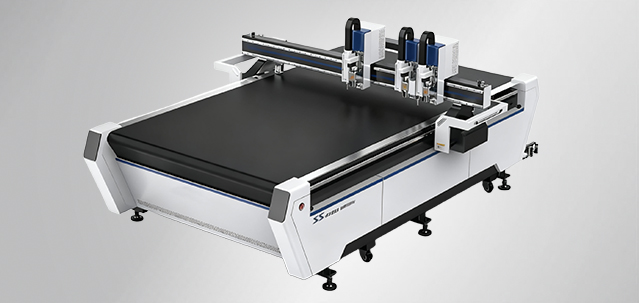
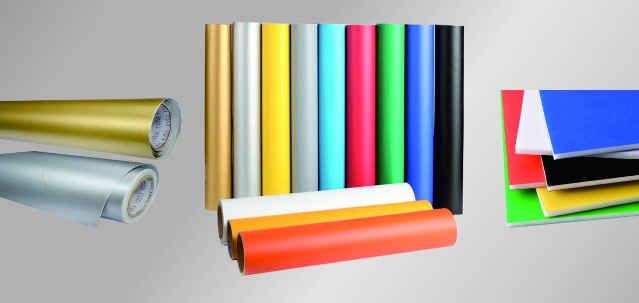
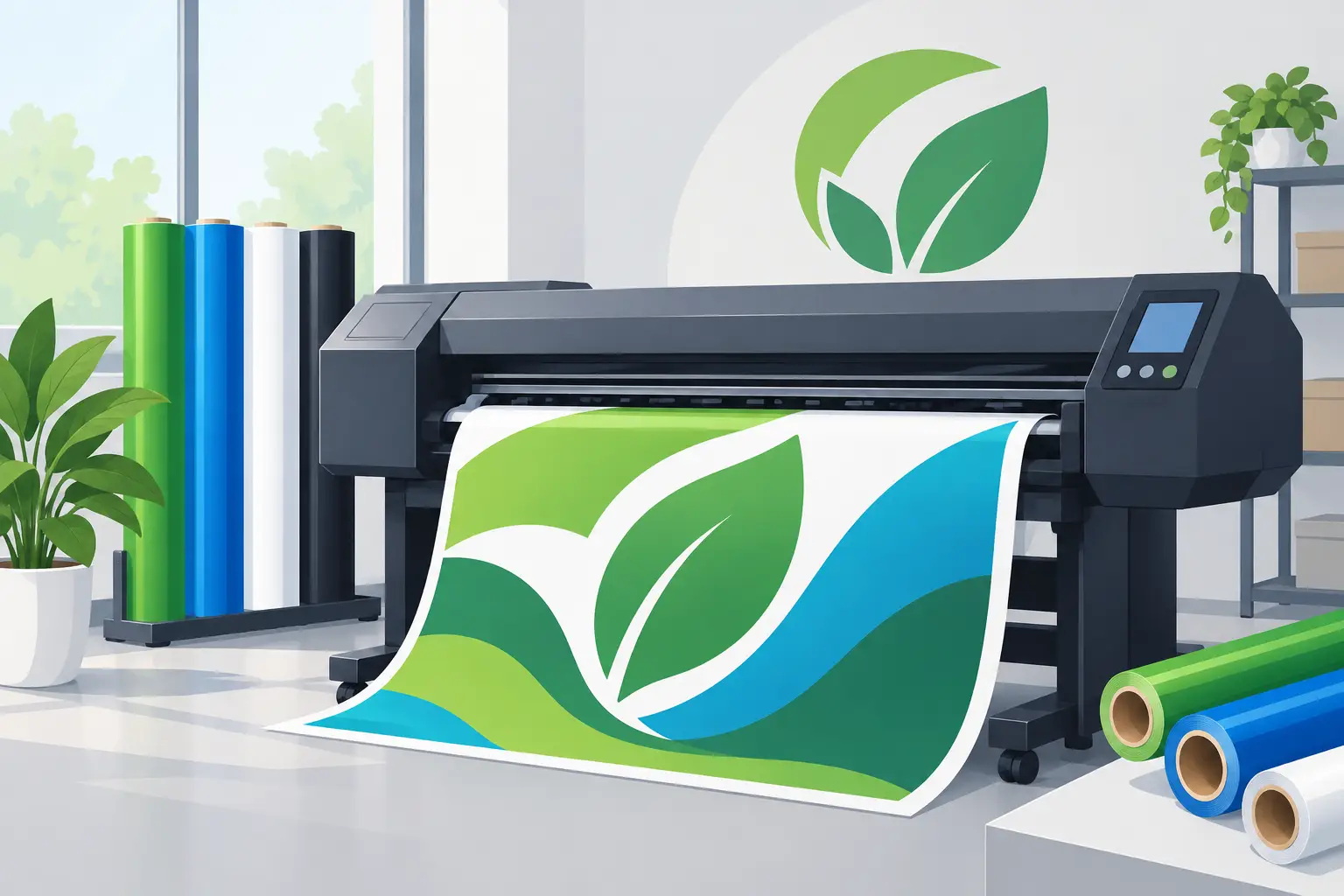
Vinyl is the central application because it is versatile and profitable. Printed self-adhesive vinyl can become retail promotions, directional signs, wall graphics, branded decals, window displays, equipment markings, and vehicle graphics. Add a compatible laminator and cutting plotter, and a printer becomes the center of a broader sign-production workflow rather than a stand-alone machine.
The trade-off is production speed. Eco-solvent is an excellent all-around technology, but it is not automatically the fastest answer for every high-volume industrial job. If your work is dominated by rigid boards, direct UV printing may be a better fit. If textile graphics are the priority, sublimation or dedicated textile printing deserves consideration. For flexible roll media, especially vinyl, eco-solvent remains one of the most balanced options for quality, durability, and equipment value.
Before comparing models, review the actual work coming through your shop. A printer should be sized around profitable applications, not just the largest format you occasionally receive.
A 54-inch or 64-inch machine is often a strong starting point for general sign production. It can handle common vinyl widths for decals, banners, posters, window graphics, and many vehicle graphics. A wider platform can make sense for larger banners, wall-covering work, and businesses that want to reduce paneling. However, extra width requires additional floor space, larger media handling capacity, and more disciplined finishing processes.
Print speed should also be evaluated honestly. Manufacturers may quote a maximum speed, but high-speed draft modes do not always match the quality expected for close-viewed retail graphics or premium wraps. Ask about production-mode output at the resolution and pass count you expect to sell. A shop that produces short-run decals has different needs from a wholesale trade printer running banner rolls all day.
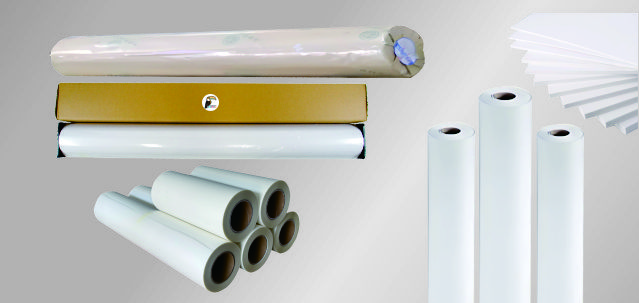
Media compatibility is equally important. Confirm that the machine can feed the vinyl types you plan to use, including monomeric and polymeric adhesive vinyl, cast vehicle-wrap film, perforated window film, backlit film, banner material, canvas, and paper. A reliable take-up system matters when printing longer runs. Poor media tracking can waste expensive material quickly, especially on wrap films and laminated graphics.
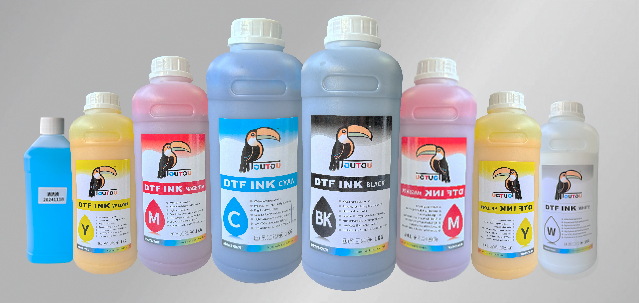
Ink configuration has a direct effect on both image quality and operating cost. Standard CMYK is suitable for a large share of sign work. Additional light colors can improve gradients and skin tones, while orange, green, or other expanded-gamut inks may help shops reproduce demanding brand colors. White ink can be valuable for transparent film, colored media, and specialty window graphics, but it adds maintenance requirements and should be selected only when those jobs are part of your regular sales plan.
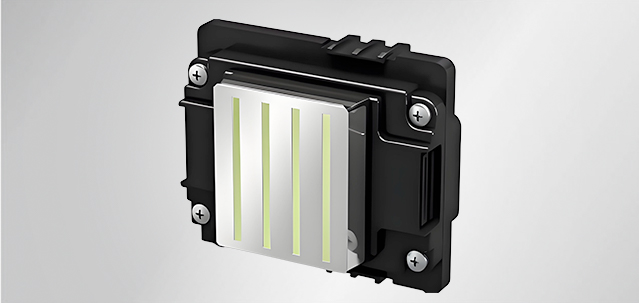
Printhead choice influences detail, speed, maintenance, and replacement planning. A machine with a dependable printhead platform and stable ink delivery is usually a smarter commercial purchase than one that appears cheaper but lacks parts availability or technical support. Ask practical questions: How does daily cleaning work? What maintenance parts are expected? How are clogs handled? Can your operator access training and troubleshooting support quickly?
Color consistency is not only about the printer. It depends on ink, media profiles, RIP software, temperature and humidity, and operator discipline. If you sell repeat campaigns, franchise graphics, fleet markings, or branded retail displays, build a color-management process from the beginning. Test the media you intend to stock and retain approved profiles for repeat orders.
A vinyl printer produces the image. The finished product often requires more.
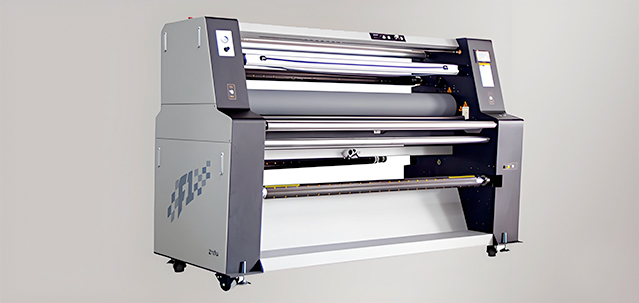
For decals, contour-cut stickers, and labels, a cutting plotter needs accurate registration marks and dependable calibration. For vehicle graphics, floor graphics, outdoor signs, and frequently handled decals, a roll laminator protects the printed surface from abrasion, moisture, cleaning chemicals, and UV exposure. Lamination also improves the perceived value of the job and can reduce callbacks caused by scuffing or premature fading.
Plan drying and outgassing time into the workflow. Eco-solvent prints may need time before lamination, depending on ink load, media, environmental conditions, and the application. Rushing a print into lamination can contribute to adhesion problems, trapped solvent, or reduced long-term performance. A production schedule that allows proper curing is more profitable than one that repeatedly remakes graphics.
The most efficient shops set up a clear path from RIP station to printer, drying area, laminator, cutter, and packing bench. This reduces handling damage and helps operators identify problems before material reaches the customer.
The printer price matters, but it is only the first line of the investment. A sensible buying decision considers ink consumption, media waste, printhead maintenance, replacement parts, electricity, RIP software, finishing equipment, shipping, installation, and operator training.
Lower-priced ink is not always lower-cost ink. If it causes color inconsistency, nozzle instability, poor adhesion, or short outdoor life, the savings can disappear through reprints and customer claims. Use inks approved for the printer platform and match the media to the intended application. A budget promotional decal and a long-term fleet wrap should not be specified the same way.
It is also wise to estimate monthly production volume before selecting a machine. A low-volume shop may prioritize easy maintenance, compact footprint, and strong all-purpose quality. A higher-volume operation may gain more from faster output, heavier-duty media feeding, higher-capacity ink systems, and a backup plan for critical production periods.
For export buyers, post-sale support deserves the same attention as specifications. A printer can be mechanically capable, but downtime becomes expensive when troubleshooting, spare parts, or replacement consumables are difficult to obtain.
Choose a supplier that can explain installation requirements, offer responsive technical communication, and provide access to commonly needed parts and consumables. Ask whether support is available through direct channels such as WhatsApp, how technical issues are diagnosed remotely, and what documentation is supplied for operation and maintenance. For distributors, these details are especially important because your reputation depends on the equipment you resell.
Signstech International supports buyers who need more than a single printer shipment. Combining Eco-Sol Printers with vinyl, laminators, cutting plotters, inks, and replacement parts can simplify procurement and help keep the production chain moving.
A productive equipment discussion should establish a few operational facts: the maximum media width you sell, expected monthly volume, main vinyl applications, preferred ink configuration, available floor space, electrical requirements, and whether you already own compatible laminating and cutting equipment. It should also address packing, shipping terms, installation planning, and the spare parts you want on hand from day one.
Do not buy capability you will never use, but do not buy so narrowly that every growing opportunity requires outsourcing. The best eco-solvent printer is the one that matches your present order mix, leaves room for profitable expansion, and comes with the materials and support needed to keep jobs moving when deadlines are tight.